
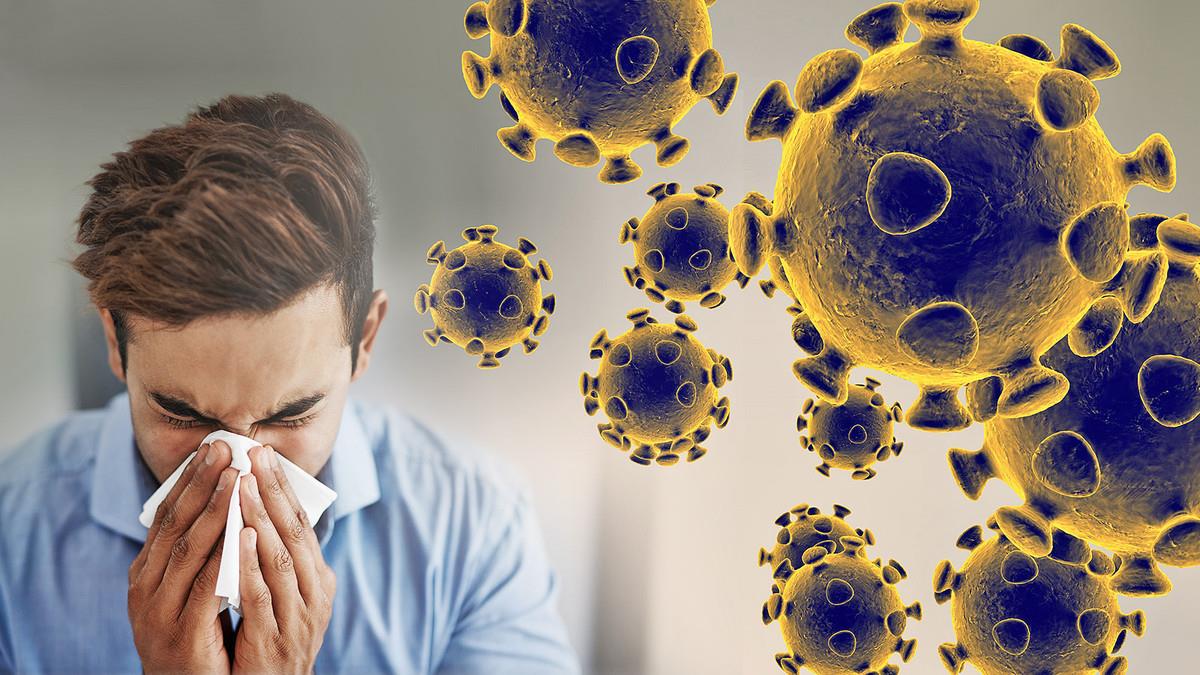
What is a coronavirus?
Coronaviruses are a large family of viruses which may cause illness in animals or humans. In humans, several coronaviruses are known to cause respiratory infections ranging from the common cold to more severe diseases such as Middle East Respiratory Syndrome (MERS) and Severe Acute Respiratory Syndrome (SARS). The most recently discovered coronavirus causes coronavirus disease COVID-19.
What is COVID-19?
COVID-19 is the infectious disease caused by the most recently discovered coronavirus. This new virus and disease were unknown before the outbreak began in Wuhan, China, in December 2019.
What are the symptoms of COVID-19?
The most common symptoms of COVID-19 are fever, tiredness, and dry cough. Some patients may have aches and pains, nasal congestion, runny nose, sore throat or diarrhea. These symptoms are usually mild and begin gradually. Some people become infected but don’t develop any symptoms and don't feel unwell. Most people (about 80%) recover from the disease without needing special treatment. Around 1 out of every 6 people who gets COVID-19 becomes seriously ill and develops difficulty breathing. Older people, and those with underlying medical problems like high blood pressure, heart problems or diabetes, are more likely to develop serious illness. About 2% of people with the disease have died. People with fever, cough and difficulty breathing should seek medical attention.
How does COVID-19 spread?
People can catch COVID-19 from others who have the virus. The disease can spread from person to person through small droplets from the nose or mouth which are spread when a person with COVID-19 coughs or exhales. These droplets land on objects and surfaces around the person. Other people then catch COVID-19 by touching these objects or surfaces, then touching their eyes, nose or mouth. People can also catch COVID-19 if they breathe in droplets from a person with COVID-19 who coughs out or exhales droplets. This is why it is important to stay more than 1 meter (3 feet) away from a person who is sick.
WHO is assessing ongoing research on the ways COVID-19 is spread and will continue to share updated findings.
Can the virus that causes COVID-19 be transmitted through the air?
Studies to date suggest that the virus that causes COVID-19 is mainly transmitted through contact with respiratory droplets rather than through the air. See previous answer on “How does COVID-19 spread?”
Can CoVID-19 be caught from a person who has no symptoms?
The main way the disease spreads is through respiratory droplets expelled by someone who is coughing. The risk of catching COVID-19 from someone with no symptoms at all is very low. However, many people with COVID-19 experience only mild symptoms. This is particularly true at the early stages of the disease. It is therefore possible to catch COVID-19 from someone who has, for example, just a mild cough and does not feel ill. WHO is assessing ongoing research on the period of transmission of COVID-19 and will continue to share updated findings.
Can I catch COVID-19 from the feces of someone with the disease?
The risk of catching COVID-19 from the feces of an infected person appears to be low. While initial investigations suggest the virus may be present in feces in some cases, spread through this route is not a main feature of the outbreak. WHO is assessing ongoing research on the ways COVID-19 is spread and will continue to share new findings. Because this is a risk, however, it is another reason to clean hands regularly, after using the bathroom and before eating.
What can I do to protect myself and prevent the spread of disease?
Protection measures for everyone
Stay aware of the latest information on the COVID-19 outbreak, available on the WHO website and through your national and local public health authority. COVID-19 is still affecting mostly people in China with some outbreaks in other countries. Most people who become infected experience mild illness and recover, but it can be more severe for others. Take care of your health and protect others by doing the following:
Protection measures for persons who are in or have recently visited (past 14 days) areas where COVID-19 is spreading
How likely am I to catch COVID-19?
The risk depends on where you live or where you have travelled recently. The risk of infection is higher in areas where a number people have been diagnosed with COVID-19. More than 95% of all COVID-19 cases are occurring in China, with the majority of those in Hubei Province. For people in most other parts of the world, your risk of getting COVID-19 is currently low However, it’s important to be aware of the situation and preparedness efforts in your area.
WHO is working with health authorities in China and around the world to monitor and respond to COVID-19 outbreaks.
Should I worry about COVID-19?
If you are not in an area where COVID-19 is spreading, or if you have not travelled from one of those areas or have not been in close contact with someone who has and is feeling unwell, your chances of getting it are currently low. However, it’s understandable that you may feel stressed and anxious about the situation. It’s a good idea to get the facts to help you accurately determine your risks so that you can take reasonable precautions. Your healthcare provider, your national public health authority and your employer are all potential sources of accurate information on COVID-19 and whether it is in your area. It is important to be informed of the situation where you live and take appropriate measures to protect yourself.
Who is at risk of developing severe illness?
While we are still learning about how COVID-2019 affects people, older persons and persons with pre-existing medical conditions (such as high blood pressure, heart disease, or diabetes) appear to develop serious illness more often than others.
Are antibiotics effective in preventing or treating the COVID-19?
No. Antibiotics do not work against viruses, they only work on bacterial infections. COVID-19 is caused by a virus, so antibiotics do not work. Antibiotics should not be used as a means of prevention or treatment of COVID-19. They should only be used as directed by a physician to treat a bacterial infection.
Should I wear a mask to protect myself?
People with no respiratory symptoms, such as cough, do not need to wear a medical mask. WHO recommends the use of masks for people who have symptoms of COVID-19 and for those caring for individuals who have symptoms, such as cough and fever. The use of masks is crucial for health workers and people who are taking care of someone (at home or in a health care facility).
How to put on, use, take off and dispose of a mask?
Remember, a mask should only be used by health workers, care takers, and individuals with respiratory symptoms, such as fever and cough.
Before touching the mask, clean hands with an alcohol-based hand rub or soap and water
How long is the incubation period for COVID-19?
The “incubation period” means the time between catching the virus and beginning to have symptoms of the disease. Most estimates of the incubation period for COVID-19 range from 1-14 days, most commonly around five days. These estimates will be updated as more data become available.
Is there anything I should not do?
The following measures ARE NOT effective against COVID-2019 and can be harmful:
This guidance document is prepared from WHO documents. For accurate and the latest information, you may visit the following web sites:
https://www.who.int/emergencies/diseases/novel-coronavirus-2019
https://www.cdc.gov/coronavirus/2019-ncov/index.html
https://www.seyahatsagligi.gov.tr/Site/koronavirus
https://www.who.int/emergencies/diseases/novel-coronavirus-2019/advice-for-public/videos
We wish you healthy days ahead.
Eastern Mediterranean University
COVID-19 Awareness Committee

Faculty of Engineering
99628, Famagusta, North Cyprus
via Mersin 10, Turkiye